What is it really like living in Transylvania?

What is it really like living in Transylvania?
Living in Transylvania ranges from modern city life to rural self-reliance, with strong community, nature, and real practical tradeoffs.

An 11-year-old walks to a distant sheepfold after school to help with morning milking.

A mountain family relies on sheep, charcoal, and neighbors while living far from services.

Travelers find modern Brașov shopping alongside its historic Transylvanian setting.

The Carpathians contain Romanian, Hungarian, Goral, and Rusyn communities with distinct histories and faiths.
Vlad the Impaler inspired Dracula, but he did not live in Bran Castle.

A resident describes daily life in a Transylvanian mountain village, including gardening, foraging, cooking, and making sausages.

Slow routines, tough work, and homegrown food define daily life for this Transylvanian couple.

Offline, Romanians and Hungarians describe mixed friendships and shared traditions despite political disputes.

Having lived there, the speaker says a simpler life with very little made them healthier, happier, and more at peace.

The family has always lived in the mountains, where everyday life includes cooking traditional apple cake at home.

Daily life in Brașov is calm and practical, with clean streets, walkability, affordable meals, and nearby mountain access.
Transylvania offers welcoming people, beautiful landscapes, and low living costs, according to the speaker.
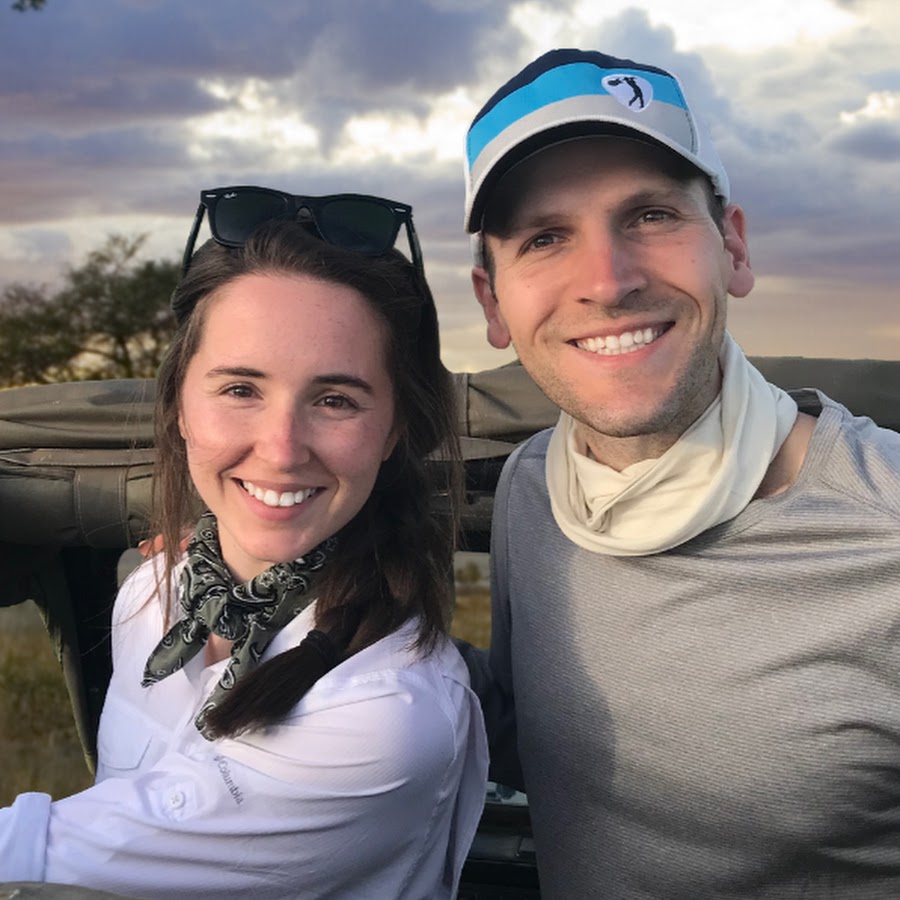
Viscri feels peaceful and secluded, with meals using produce, dairy, meat, and other ingredients from nearby farms and villages.

Vlad Țepeș’s tenuous connection to the region helps drive Transylvania’s vampire-themed tourism and kitsch.

A peak-season apartment outside Brasov cost $45 nightly, while Transylvania offered accessible tourism and hiking despite difficult weather.
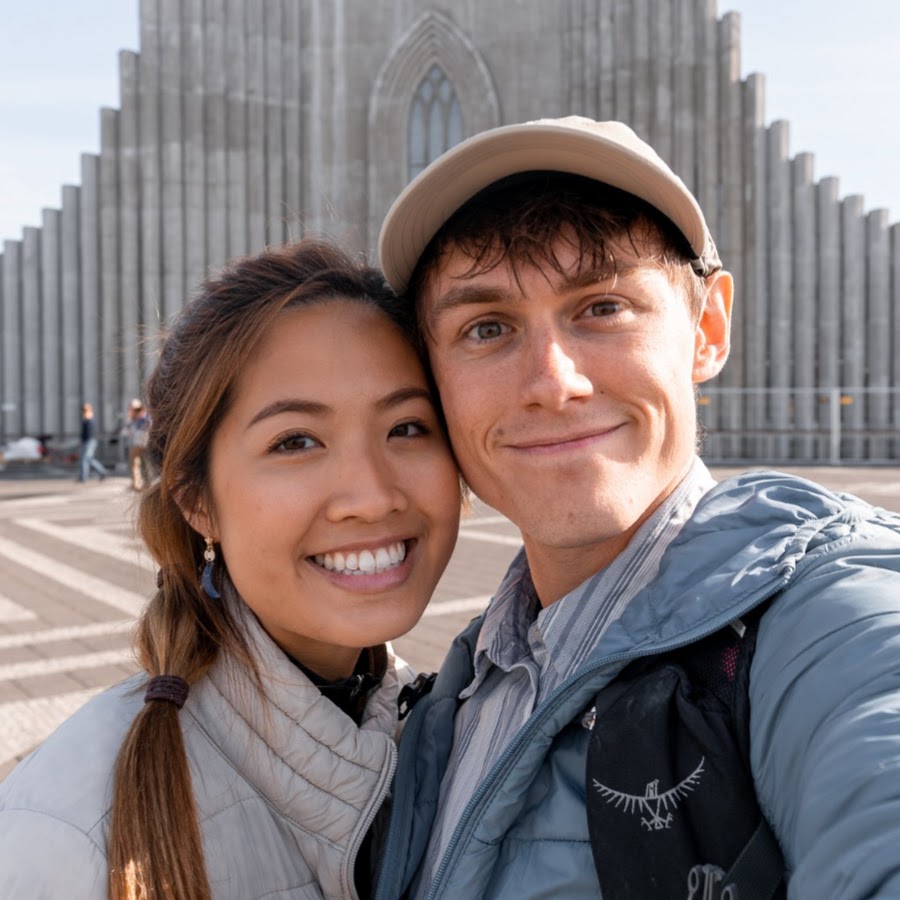
Viscri combines preserved Saxon heritage, traditional life, homemade meals, and a peaceful atmosphere in rural Transylvania.

Transylvania towns attract tourists, offer some English access, and connect easily by rail or affordable taxis.

Transylvania combines plateau landscapes, Carpathian forests, and a population that is mostly Romanian with Hungarian and Roma minorities.
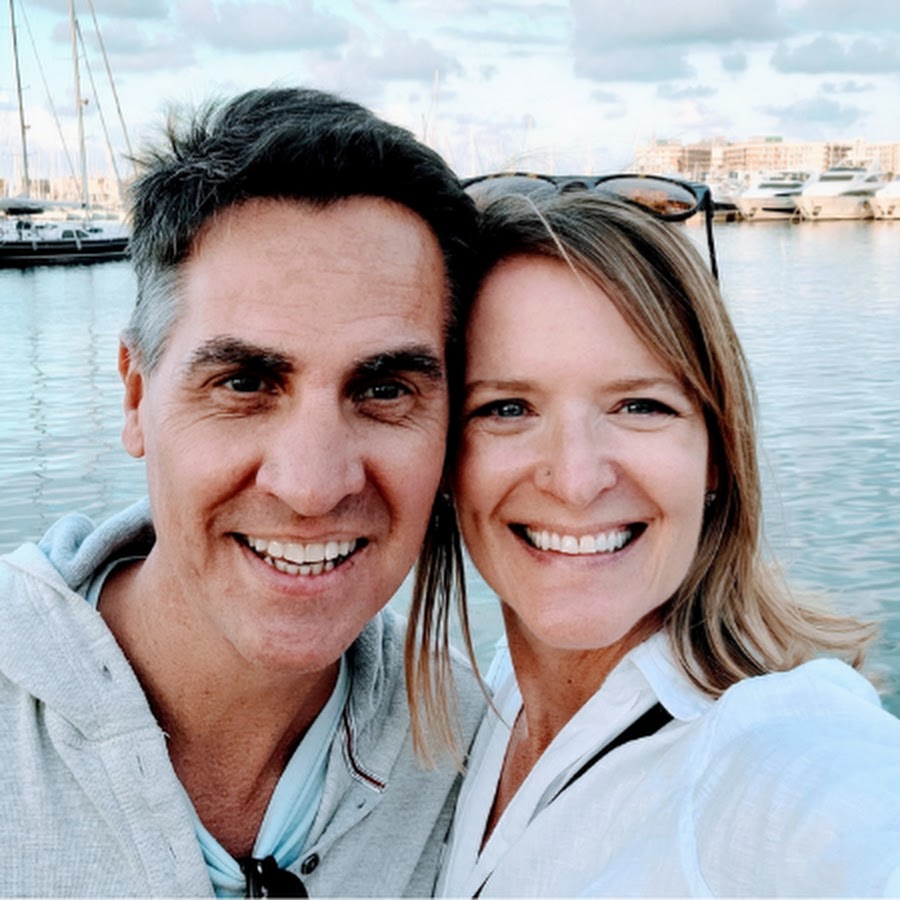
Brașov has restaurants, activities, and a larger, livelier center than the travelers expected.

She describes Transylvania as a special place where she learned about the region and its people beyond familiar portrayals.
Transylvania is a Carpathian region in Romania where the Gábor community has lived for five centuries.

Brașov feels serene and relaxing, with friendly people, nearby forest, and old city walls, according to a digital nomad.
Internet works well almost everywhere, while residents generally feel safe walking alone at night, alongside attractive medieval architecture.

Driving through Romania feels like Croatia had a baby with Scotland, with heavily wooded mountains.

Romania’s Transylvania features Carpathian scenery, medieval towns, rich history, and relatively affordable living, the speaker says.